SEQUENTIAL GAS INJECTION SYSTEM
This advanced gas injection system can be installed in all fuel injected petrol vehicles. The system is fully homologated in compliance with the latest safety standards for gas fuel systems (R110) and keeps the emission in the expectable range established by the strictest standards (EURO 4).The kit’s Electronic Control Unit integrates perfectly with original car’s ECU, leaving original engine set-up parameters unchanged. This allows a switch back to petrol at any time without loss of performance.The electronic control unit automatically switches from gas to petrol fuel if the engine stalls and the tank is empty.
HOW IT WORKS
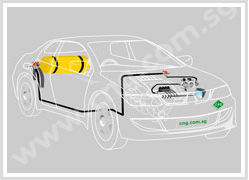
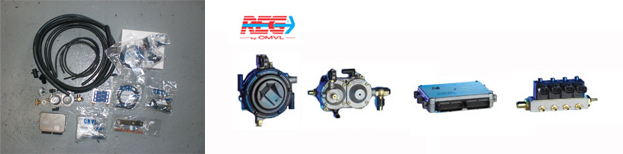
The Sequential Gas Injection System is an advanced injection system. The gas is delivered from the tank to the Pressure Regulator, which supplies it at a constant pressure to the Injection Unit. This is controlled by the Electronic Control Unit, which computes the correct gas injection timings in function of the petrol injection timings and other system parameters. Gas is injected into the intake manifold ducts in the right sequence and at the right time. The pressure stability of the regulator together with sophisticated electronic carburetion control, guarantees a fast response of the system to quick power demands, and a smooth acceleration from cut-off phase. The Sequential Gas Injection System also optimizes consumption and performance.
ECU
The ECU is controlled by a microprocessor which automatically detects the optimum combustion parameters and constantly monitors the engines operating conditions checking the various parameters such as petrol injection time, gas pressure, gas temperature and regulator temperature. It also determines the right volume of gas to be injected, thus reducing emissions and extending the life of the catalytic converter. Other functions include the automatic switching from gas to petrol and vice-versa.
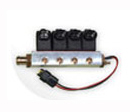
INJECTOR RAIL
The ECU is controlled by a microprocessor which automatically detects the optimum combustion parameters and constantly monitors the engines operating conditions checking the various parameters such as petrol injection time, gas pressure, gas temperature and regulator temperature. It also determines the right volume of gas to be injected, thus reducing emissions and extending the life of the catalytic converter. Other functions include the automatic switching from gas to petrol and vice-versa.
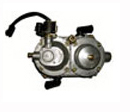
REGULATOR
The regulator reduces gas pressure from 200-220 bar to 1.8 bar. The reducer unit is a water-gas heated two stage, servo-assisted membrane unit. A solenoid valve shuts off the gas flow to the engine, when the engine is not operating.
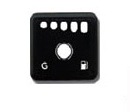
GAS/PETROL FUEL SWITCH
This is the electronic switch that is connected to the Sequential Gas System. The switch allows toggling between CNG and petrol and sports a 5-LED level gauge that displays the amount of gas remaining in the tank. The fuel switch is small and non-intrusive, taking up little space installed on the dashboard of a vehicle
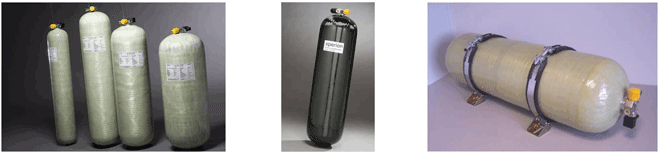
Composite Cylinders – the new generation of Cylinders
The most important modification in recent times is the implementation of composite cylinders which are made out of carbon fiber, a very progressive material which is only used for high-tech applications. Obviously these new type IV cylinders have one tremendous advantage compared with the old steel ones. If you compare the weight of both of them you will see what is meant with this. The new type IV composite cylinders are 70% lighter than the equivalent sized steel ones. As a consequence the fuel consumption can be reduced to a minimum and therefore the potential of saving money can be increased. Furthermore there will be less wear and tear on consumables like tires, suspension and brakes which will further help you to cut costs.
|